Industry research presented at Automechanika Dubai explores AI’s role in the future of mobility

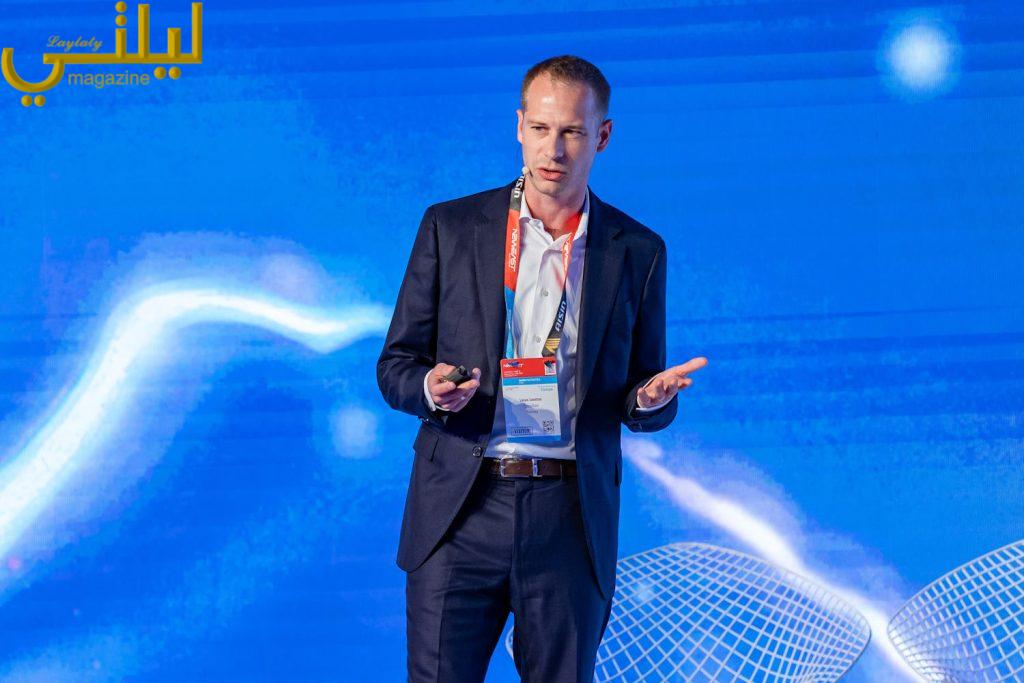
During Innovation4Mobility at Automechanika Dubai yesterday, Kearney shared insights from a global study on the future of AI in the mobility ecosystem
The research outlines potential future scenarios for AI in mobility and underscores the need for shared governance and unified goals
Other critical topics addressed at Innovation4Mobility this week include cybersecurity and circular mobility models
:Dubai, UAE
As mobility continues to evolve at pace, industry leaders, experts, and policymakers have convened at Innovation4Mobility at Automechanika Dubai to examine the technologies driving a smarter, cleaner, and more connected transport future for the Middle East and global markets.
During the opening day, Lucas Loustau, Principal at Kearney, examined how AI is redefining the mobility industry, drawing insights from the newly-released report “Envisioning the future of mobility powered by AI”- a joint study between The Advanced Mobility Institute, part of Kearney’s Foresight Network, and the MIT Mobility Initiative.
Using insights from more than 50 leading mobility organisations worldwide, the research examines the most promising applications of AI across the mobility sector and the opportunities for industry players to optimise performance and operations. The study also evaluates the broader value AI can deliver for both the industry and society at large.
Loustau outlined four key categories of ‘supply actors’ in the mobility ecosystem – policymakers; infrastructure developers; mobility operators and OEMs, suppliers and financial and technology players, noting that effective governance frameworks remain essential for aligning these groups around shared outcomes.
Speaking during the session, Loustau said: “There is enthusiasm across the globe for AI and achieving regulations for it. That being said, not everyone is on the same page when it comes to which AI policies should be prioritised, whether it’s to do with data privacy, retraining employees or antitrust.”
Loustau presented several potential future scenarios for the decade ahead, ranging from the ‘sceptical consumer’ model, in which AI technology is advanced and reliable but adoption is supply-driven, to the “Golden AI Age,” where consumer trust is high, and the ecosystem works with shared standards and governance.
He emphasised that the mobility ecosystem must work together to elevate AI in mobility to the next level, with key actions including strong alignment on AI adoption goals, robust governance mechanisms, data sharing, smart infrastructure funding, and sustained efforts to build consumer confidence.
Beyond AI, Innovation4Mobility, which concludes today, has explored critical themes including cybersecurity, circular mobility models and the rise of platform-driven data-centric business strategies. Together, these conversations are positioning Dubai as an influential hub for advancing the future of intelligent mobility.
Commenting on the conference, Tommy Le, Show Manager of Automechanika Dubai at Messe Frankfurt Middle East, said: “Innovation4Mobility is an important industry platform which brings together regional and international leaders that are shaping the road ahead. Over the past two days, the conference has spotlighted what these advances mean for the Middle East region, and how businesses can prepare for the next wave of mobility transformation.”
Automechanika Dubai, which runs until Thursday, 11 December at Dubai World Trade Centre, is the largest automotive aftermarket exhibition in the Middle East, featuring more than 2,300 exhibitors from over 60 countries.